

KT Canada Summer Institute 2026
2026 KT Canada Summer Institute
KT Canada is pleased to be co-hosting this year’s Summer Institute with:
University of Ottawa’s School for Epidemiology and Public Health
The Ottawa Hospital Research Institute
Knowledge Translation Program, Unity Health Toronto
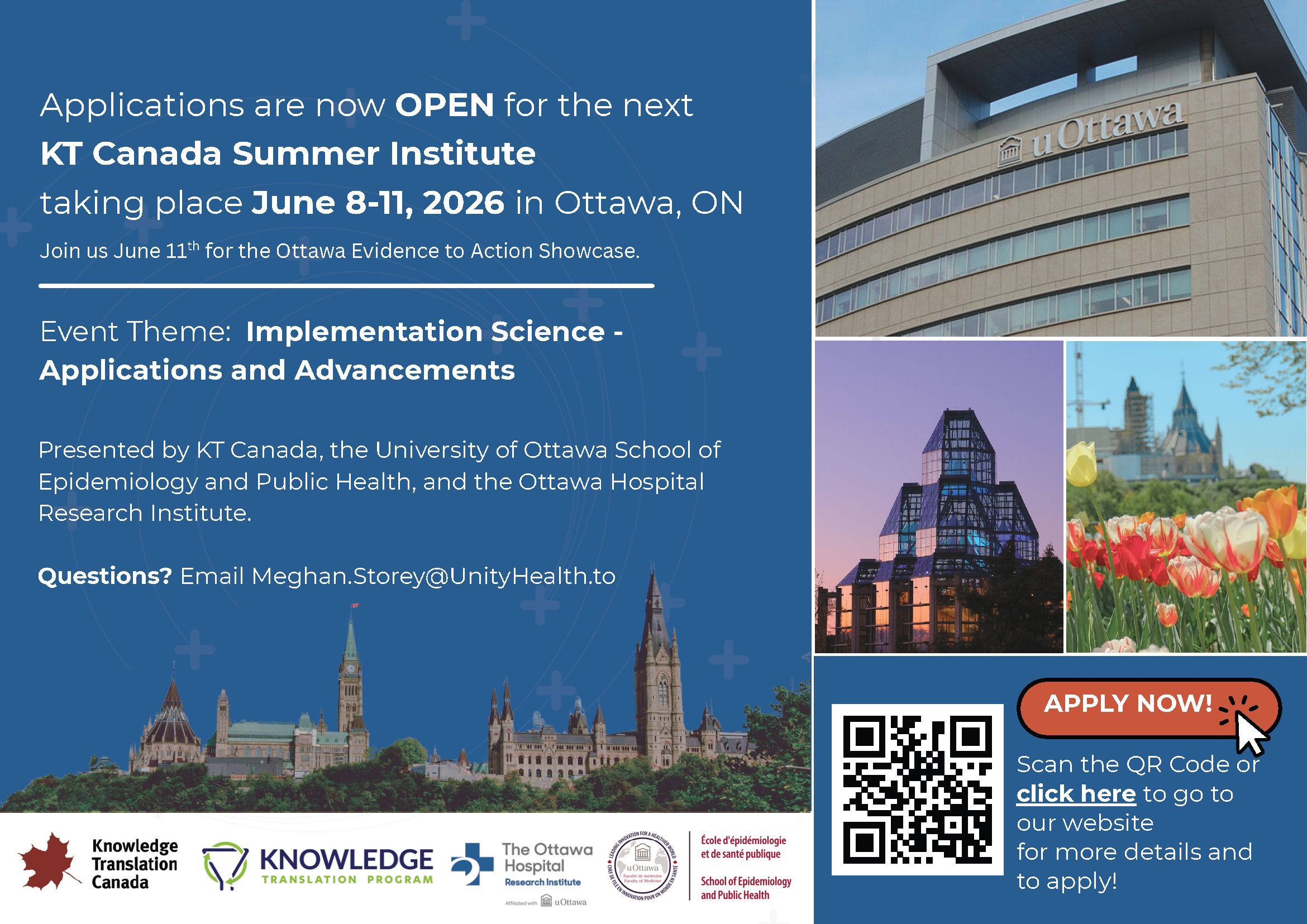
We are pleased to announce the Knowledge Translation (KT) Canada Summer Institute to be held in Ottawa, Ontario, from June 8-10, 2026. It’s being held at the University of Ottawa. The theme this year is “Implementation Science – Applications and Advancements“.
The Summer Institute incorporates both the science and practice of KT. Trainees from the Summer Institute may pursue careers in KT science, KT practice, or both, across various settings.
The Summer Institute provides participants with the opportunity to increase their understanding of knowledge translation research as well as opportunities and challenges in this field. The Summer Institute will also provide participants with the chance to network with colleagues including national and international KT experts.
New this year: There will be two streams or “tracks” for Summer Institute participants. Descriptions of the two tracks follow.
Track 1: Applying implementation science in Practice
Description: Track 1 is designed to provide a grounding and training in foundational steps applying the tools of KT and implementation science in practice. Track 1 is especially well-suited to applicants who are relatively new to KT and implementation science in their training and/or those in roles and positions that need to implement evidence-based practices.
Track 2: Advancing the science of implementation
Description: Track 2 is designed to provide attendees an opportunity to identify and discuss how to address conceptual and methodological gaps in the field of implementation science and develop grant-writing skills for implementation science projects to advance the field. Track 2 is especially well suited for applicants who are researchers or trainees with an interest advancing the science of knowledge translation.
Registration fees:
Trainees: $495 CAD
Jr faculty & Research staff: $1,099 CAD
Registration fees cover meals and snacks during the event.
Expenses such as transportation and accommodations are not covered by registration fees. For accommodations, you can book a dorm room at the university of Ottawa for a fairly reasonable rate. Applicants who are accepted will receive more information about this in their acceptance email.
Email Meghan.Storey@UnityHealth.to with questions.
Additional facilitators and speakers TBD.
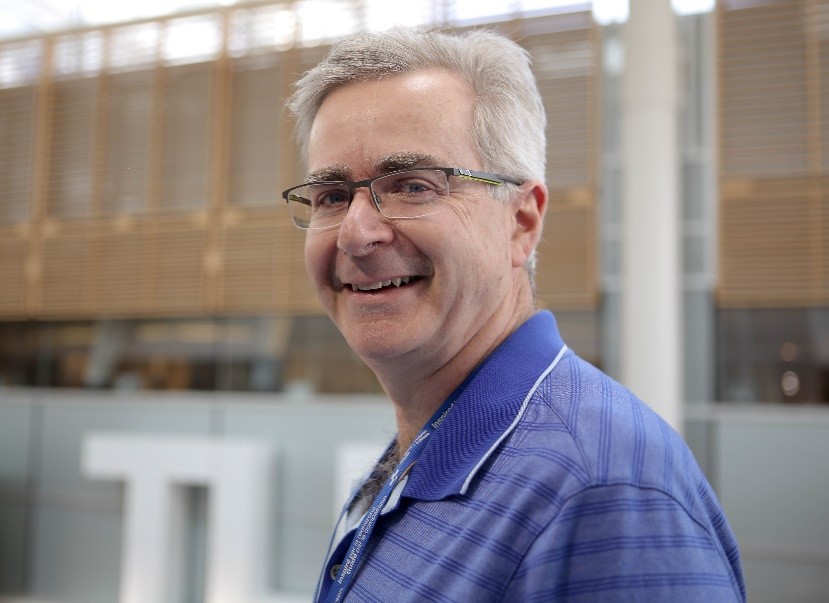 Dr. Jamie Brehaut (University of Ottawa) is a Senior Scientist with the Ottawa Hospital Research Institute, Full Professor in the School of Epidemiology & Public at the University of Ottawa, and member of the Centre for Implementation Science and the Ottawa Methods Centre. Dr. Brehaut has expertise in knowledge translation/ implementation science and psychological theory. Much of his current work focuses on the application of theory-informed approaches to facilitate health care practice change, clinical trial participation, and resilience against health misinformation.
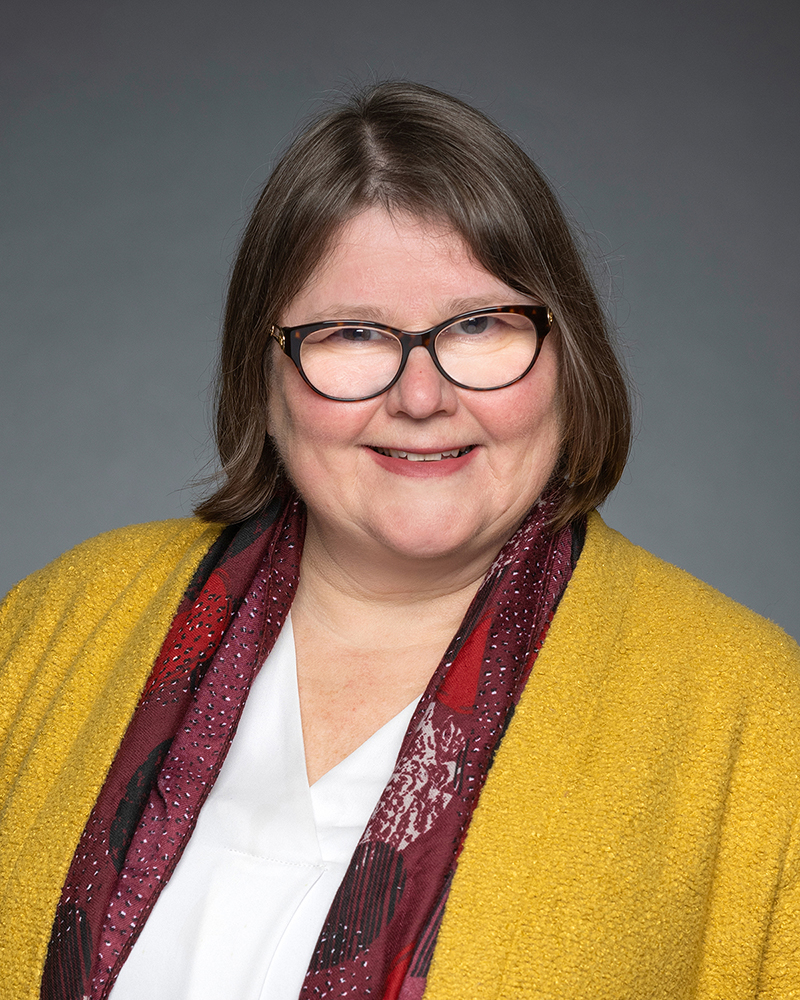 Dr. Melissa Brouwers (University of Ottawa) is a Professor and the Director of the School of Epidemiology and Public Health (SEPH) in the Faculty of Medicine at University of Ottawa. She also holds appointments at McMaster University in the Department of Oncology and the Department of Health Research Methods, Evidence and Impact (HEI). At SEPH, Dr. Brouwers is a co-leader of the Knowledge Synthesis and Application Unit (https://www.ksau.ca/) and a co-lead of the AGREE Research Enterprise (www.agreetrust.com). Dr. Brouwers holds a wealth of experience as a health services researcher with special interest in knowledge translation, implementation science and evaluation, and knowledge synthesis and guidelines. She has a passion for graduate school education and international research collaborations. She obtained her PhD in Social Psychology from Western University.
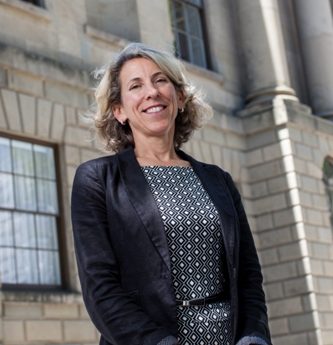 Dr. Janet Curran (Dalhousie University) is a Professor in the School of Nursing at Dalhousie University and a Research Chair in Quality and Patient Safety at IWK Health, Nova Scotia Health and Dalhousie University. She is the Implementation Science Co-lead for the CHILDBRIGHT Network and the Scientific Lead in the Strengthening Transitions in Care lab at IWK Health where her program of research is focused on co-designing and evaluating best practice and policy change interventions to improve transitions in care for patients and families. Her co-design work is informed by collaborating with multiple stakeholders including patients, parents and caregivers, healthcare providers, and policy makers.
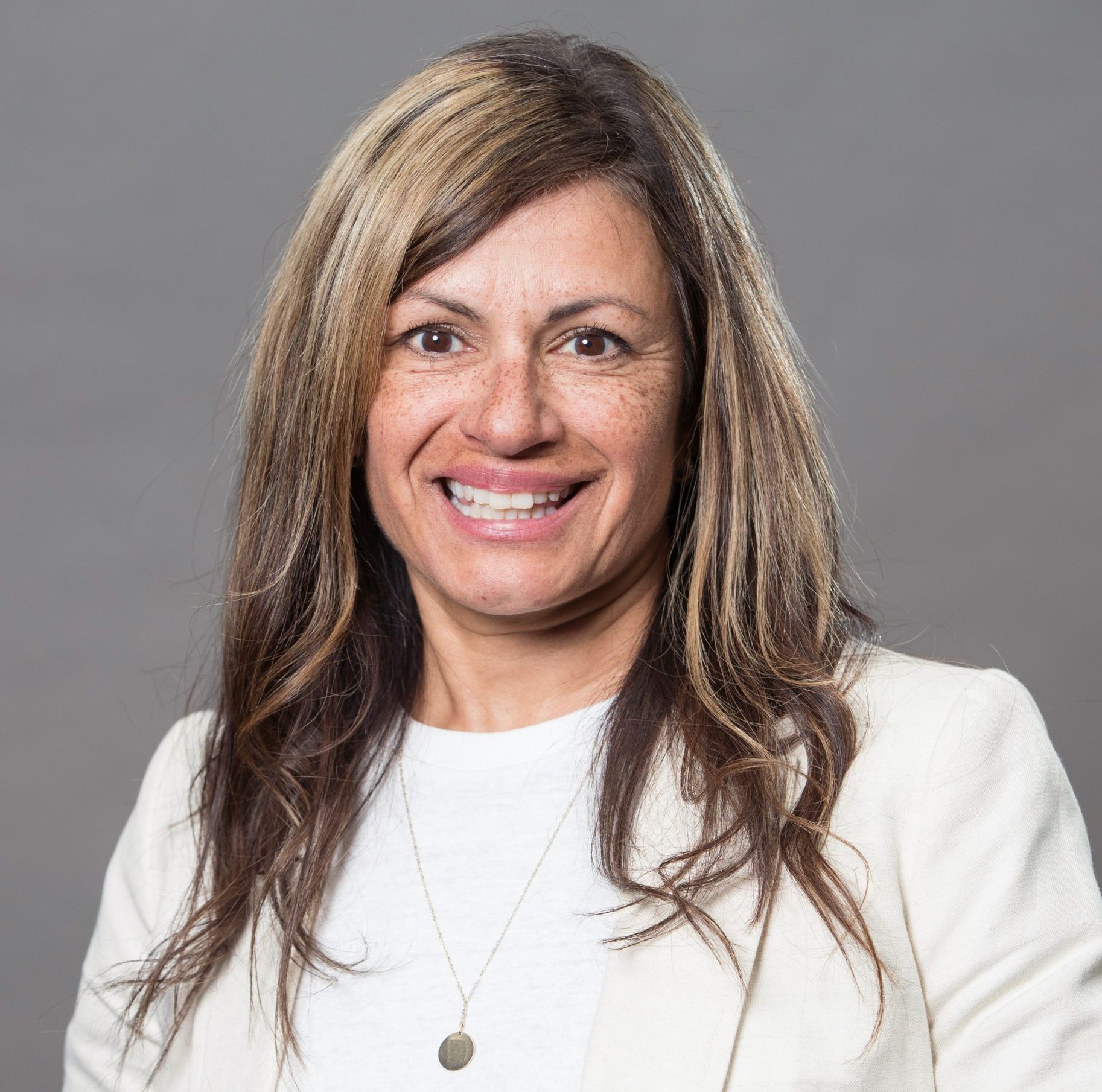 Dr. Maoliosa (Mo) Donald (University of Calgary) is an Adjunct Assistant Professor at the Cumming School of Medicine, University of Calgary. She is trained as a health services researcher, implementation scientist, and physical therapist. Her research interests include interventions that support person-centered care, and innovations that address the evidence-practice gap. Mo has extensive experience in stakeholder engagement in the implementation of health innovations. She is interested in applying theories, methods, and frameworks to determine factors that promote or impede implementation, adaptation, and sustainability in ways that are effective and practical for various contexts.
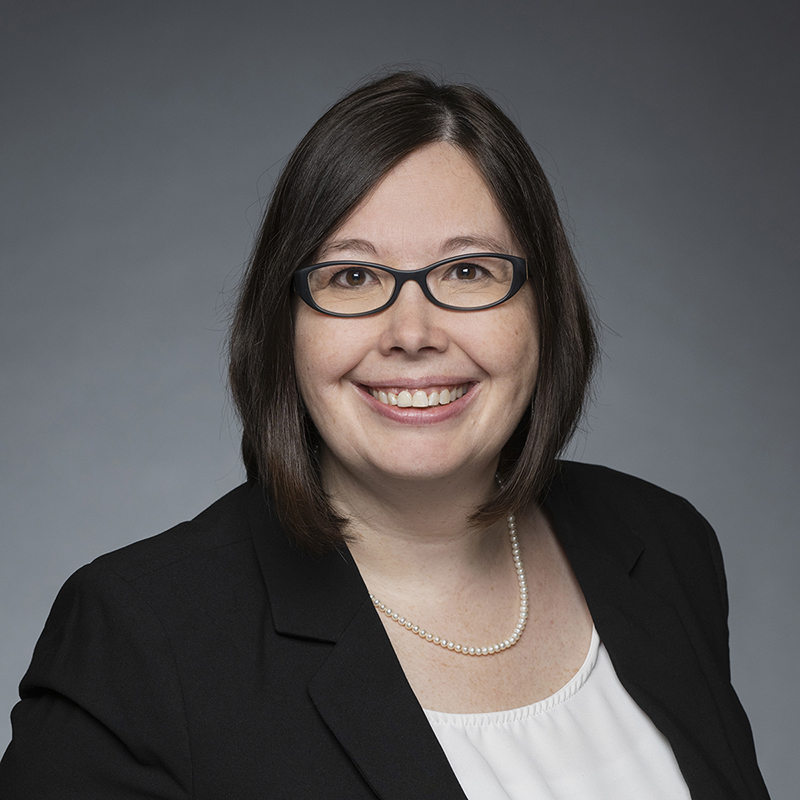 Dr. Tara Elton-Marshall (University of Ottawa) is an Associate Professor in the School of Epidemiology and Public Health at the University of Ottawa. Her research evaluates addiction and substance use-related policies and programs with the goal of providing the evidence needed to strengthen future policy and programming, and ultimately reducing addiction and substance use problems. She is currently the Nominated Principal Investigator (NPI) on a CIHR funded team grant to evaluate the impact of cannabis policy in Ontario.
 Dr. Christine Fahim (Knowledge Translation Program, Unity Health Toronto) is a Scientist for the Knowledge Translation Program, St. Michael’s Hospital and leads the Team for Implementation, Evaluation and Sustainability (TIES). She is an Assistant Professor in the Institute of Health Policy, Management and Evaluation at the University of Toronto and an Associate Scientist in the Department of Health Policy and Management at the Bloomberg School of Public Health, Johns Hopkins University. Dr. Fahim is a member of the Canadian Institutes of Health Research’s governing council. She obtained her MSc in Health Systems at the University of Ottawa followed by a PhD in Health Research Methods, Evidence and Impact from McMaster University and a postdoctoral fellowship at the Johns Hopkins University. Dr. Fahim’s research focuses on the science and practice of knowledge translation to implement evidence-based interventions at the provider, organization, and health systems levels.
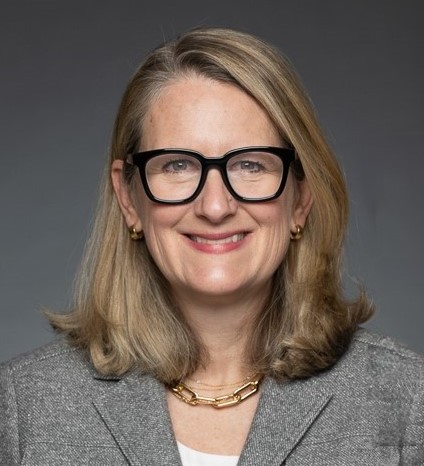 Dr. Alison Krentel (University of Ottawa) is an Associate Professor in the School of Epidemiology and Public Health at the University of Ottawa and a senior scientist at Bruyère Health Research Institute. She holds a PhD in Public Health and MSc in Public Health in Developing Countries from the London School of Hygiene and Tropical Medicine. As principal investigator of the Threads Lab, Dr. Krentel’s research focuses on interconnected areas of global public health, including health equity and effectiveness, implementation research, infectious disease control programs, community engagement, and health systems strengthening. Her work emphasizes facilitating community engagement in public health program execution and conducting implementation research to support health systems in infectious disease control. A significant aspect involves translating research results into programmatic action, bridging the gap between academic findings and real-world health interventions.
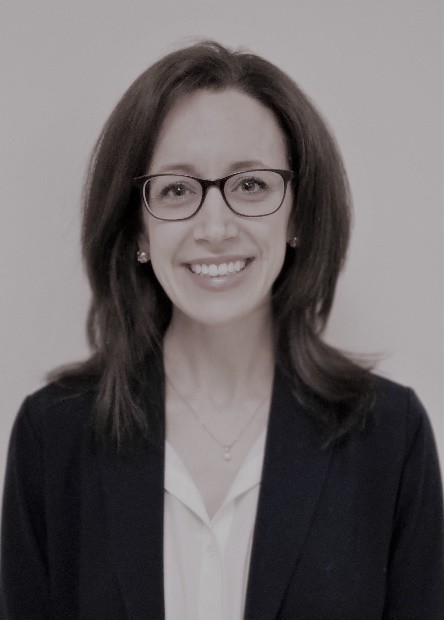 Dr. Krystina Lewis (University of Ottawa) is Associate Professor in the School of Nursing at the University of Ottawa and Affiliate Researcher at the University of Ottawa Heart Institute with a particular interest in cardiovascular disease, implementation science, and knowledge translation to patients and the public. Her research has two main strands. First, she develops, evaluates, and implements approaches that help people make better health and health-care decisions by translating complex evidence into forms that are meaningful and usable for people. Second, she studies equitable co-produced research, examining how partnerships among people with lived and living experience, clinicians, and researchers can improve research quality, uptake, and real-world impact. She holds a Heart & Stroke New Investigator Award (2024-2027) focused on engaging patients in decisions about their brain-heart health and in 2024, was awarded Early Career Researcher of the Year in the Faculty of Health Sciences, University of Ottawa. Supporting and mentoring undergraduate and graduate students is a central and deeply rewarding part of her role.
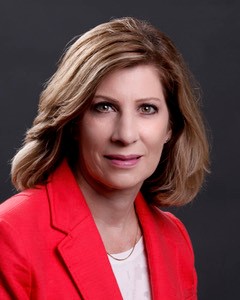 Dr. Patrice Lindsay (lived experience advocate, clinical leader, and researcher) is a distinguished systems leader in stroke, brain, and heart health, acknowledged for her transformative work in improving stroke systems across Canada. As a lived experience advocate, clinical leader, and researcher, she has pioneered efforts to enhance care delivery, focusing on systems of care, prevention, and recovery. Dr. Lindsay has played a key role in developing strategic frameworks for systems change and the development and implementation of innovative knowledge translation strategies and resources for people with lived experience and healthcare professionals, using co-design approaches. She is a passionate champion for the active involvement of individuals with lived experience in healthcare planning, delivery, research, knowledge translation, and advocacy. She is especially dedicated to advancing women’s heart and brain health.
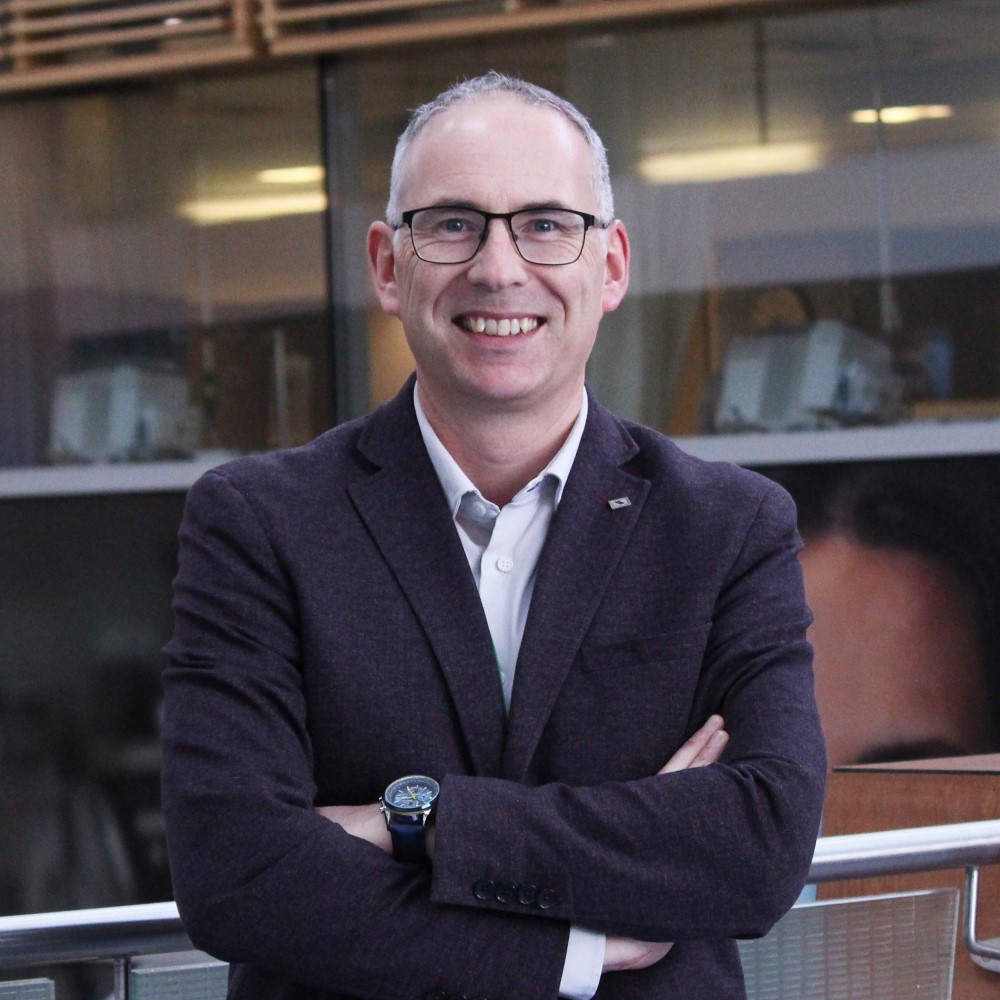 Dr. Stuart Nicholls (Ottawa Hospital Research Institute) I am a Scientist in the Methodological and Implementation (MIR) program at the Ottawa Hospital Research Institute. The main focus of my work is patient engagement in health research – the active collaboration with patients, families, caregivers or communities in governance, priority setting, developing research questions, and even performing certain parts of the research itself. My research falls within four main areas, all of which aim to improve the methods and implementation of patient engagement in research:
1. Understanding and/or explaining what influences implementation outcomes: e.g. barriers and facilitators to engagement in research (including use of resources) & building solutions; 2. Describing the processes and practices of engagement in research (esp. underserved areas & focus on equity); 3. Conducting ethical analyses of engaging with people with lived experience (PWLE) and communities in research (research ethics and ‘everyday ethics’); 4. Improving the evidence base and quality of engagement and evaluating the implementation of patient engagement. These goals are achieved by combining research with practice through the Office for Patient Engagement in Research Activities (OPERA), which provides consultation services, training, and resources for teams wishing to engage patients, families, or caregivers as partners in research.
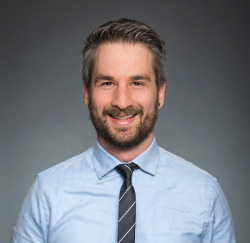 Dr. Justin Presseau (Ottawa Hospital Research Institute) is a Senior Scientist at the Ottawa Hospital Research Institute and Associate Professor in the School of Epidemiology & Public Health and School of Psychology at the University of Ottawa. As a behavioural scientist, he leads the Psychology and Health Research Group (PaHRG) and is a core faculty member of the Centre for Implementation Research at the Ottawa Hospital. He holds a Ph.D. in Psychology from the University of Aberdeen (UK). His research program operates at the intersection between behavioural science and implementation science, focusing on developing and evaluate interventions to support changing healthcare professional behaviours and health behaviours of patients and the public.
 Dr. Janet Squires (University of Ottawa) Dr. Squires’ research is primarily focused on improving knowledge translation by healthcare professionals. Her current research centers on the design, implementation, and evaluation of theory-informed and context-optimized interventions to increase healthcare professionals’ use of research and research-based behaviours as a strategy to contribute to improved patient and system outcomes. Her research program has four main foci: (1) exploring organizational context and its role in knowledge translation, (2) designing and testing theory-informed interventions to change healthcare professionals’ behaviours, (3) measurement and survey design/psychometrics, and (4) systematic reviews. She is currently involved in several nationally funded projects examining the role of context in knowledge translation and developing and testing interventions to change behaviour of healthcare professionals (e.g., increasing organ donation in adult hospitals, improving hand hygiene practice in adult hospitals, improving pain practices in pediatric hospitals, and improving resident outcomes in nursing homes).
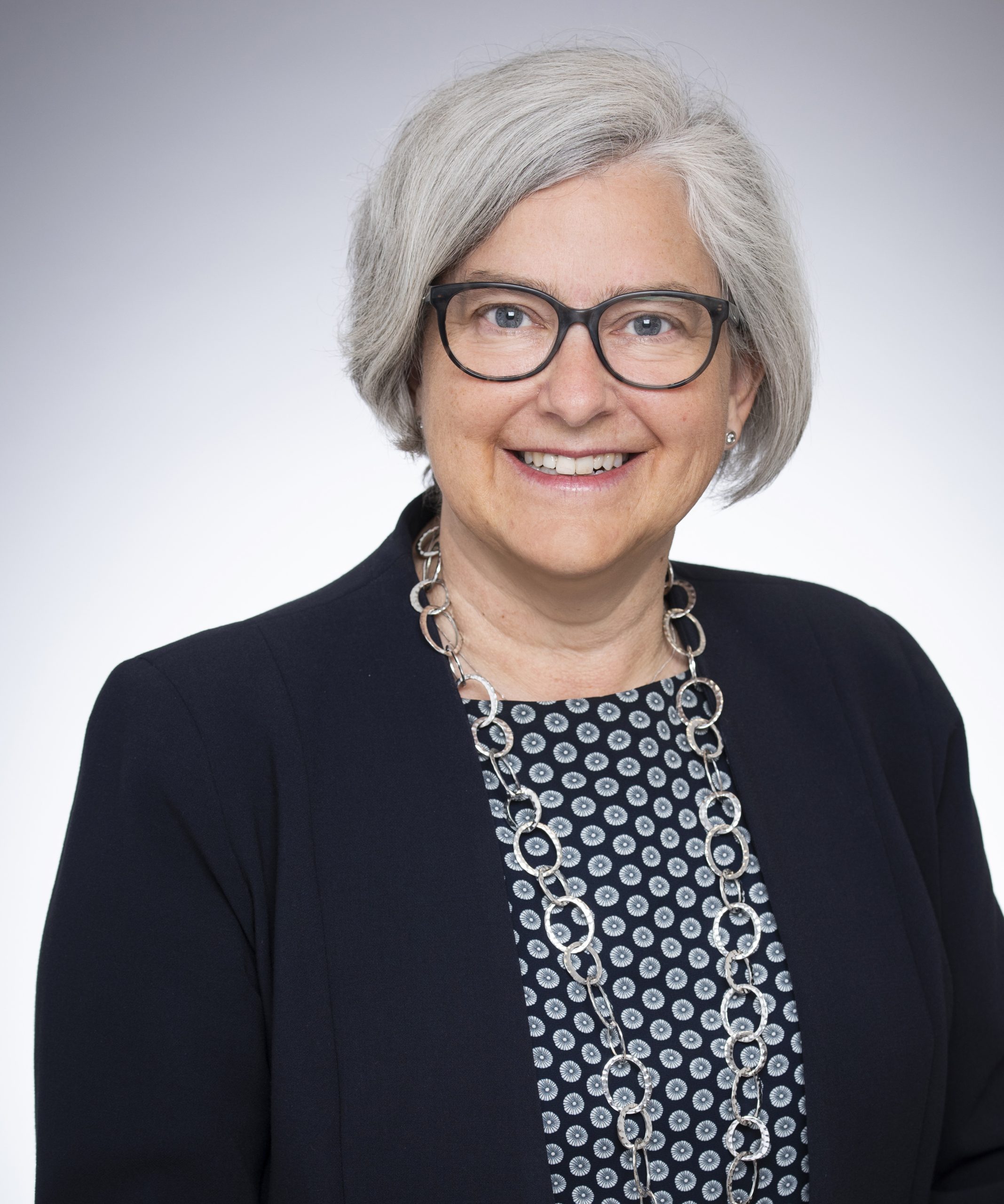 Dr. Dawn Stacey (University of Ottawa) is a distinguished university professor and Vice Dean of Research for the Faculty of Health Sciences at the University of Ottawa. At the Ottawa Hospital Research Institute, she is a Senior Scientist in the Centre for Implementation Research and co-scientific director of the Patient Decision Aids Research Group. Her research is focused on developing, evaluating, and implementing interventions to support patients and their families/caregivers to be actively engaged as partners in making evidence-informed healthcare decisions. She has over 350 peer-reviewed publications and is internationally recognized expert in decision and implementation sciences. https://decisionaid.ohri.ca for more details.
Before you apply – please read the content below. Applications are now open — apply here.
The application window will open at 12:00pm Eastern time on January 19th. The deadline for this application has been extended to February 16, 2026, 11:59PM Eastern time. Please note that applications submitted after this time will not be downloaded.
New this year: There will be two streams or “tracks” for Summer Institute participants. Descriptions of the two tracks follow.
Track 1: Applying implementation science in Practice
Description: Track 1 is designed to provide a grounding and training in foundational steps applying the tools of KT and implementation science in practice. Track 1 is especially well-suited to applicants who are relatively new to KT and implementation science in their training and/or those in roles and positions that need to implement evidence-based practices.
Track 2: Advancing the science of implementation
Description: Track 2 is designed to provide attendees an opportunity to identify and discuss how to address conceptual and methodological gaps in the field of implementation science and develop grant-writing skills for implementation science projects to advance the field. Track 2 is especially well suited for applicants who are researchers or trainees with an interest advancing the science of knowledge translation.
Items to submit for Track 1:
Please submit:
-
- Support letter from one referee. The letter should highlight that your research area is linked to KT. It should illustrate how you were involved in the work, what you hope to learn at the summer institute, and how the summer institute will support your career. The referee should send their letter of support directly to Meghan Storey (Meghan.Storey@unityhealth.to) before the deadline: using the subject heading: Summer Institute support letter & applicant last name.
- An abstract for your research project. This abstract can describe a project that is in progress or has been completed. The abstract should speak to the dissemination or implementation of evidence with or without advancement of KT science, methods or theories.
-Abstracts should include the following headings:
-For those with results: Background, Methods, Results and Discussion/ Conclusions
-For those without results: Background, Methods, Planned Analysis, Expected Outcomes.
-Title and authors.
-Max 300 words.
-
- A description of your current research interests and how they relate to knowledge translation and knowledge translation research (max 200 words).
- A description of your expectations for the summer institute and how attending would support your career goals (max 200 words).
- CV (any format is acceptable; CV should include your work and academic experience, research publications, presentations, grant and award funding, and any relevant KT work or involvement).
Items to submit for Track 2:
Please submit:
- Support letter from one referee. The letter should highlight that your research area is linked to KT. It should illustrate how you were involved in the work, what you hope to learn at the summer institute, and how the summer institute will support your career. The referee should send their letter of support directly to Meghan Storey (Meghan.Storey@unityhealth.to) before the deadline: using the subject heading: Summer Institute support letter & applicant last name.
- An abstract for your research project. This abstract can describe a project that is in progress or has been completed. The abstract should depict an implementation science research proposal or idea that you would like to develop during the summer institute. Please describe the research objective or evidence-based practice that you want to implement; the planned methods and analysis plan; and anticipated results and impact.
-Abstracts with results should include: Background, Methods, Results and Discussion/ Conclusions.
-Title and authors.
-Max 300 words.
- A description of your current research interests and experience and how they relate to KT. Please include a description of your career goals, your expectations for the summer institute and what you hope to learn/achieve during the summer institute (max 300 words).
- CV (any format is acceptable; CV should include your work and academic experience, research publications, presentations, grant and award funding, and any relevant KT work or involvement).
Stay updated via our social media and/ or newsletter:
LinkedIn: @Knowledge Translation Program
Bluesky: @KTCanada and @KTProgram
subscribe to the KT Canada newsletter.
Coming soon.
We extend a huge thank you to our sponsors and partners!

See what past Summer Institute participants are saying:
- “I really liked the engagement with other trainees and faculty members. It was a very collaborative experience.“
- “I think the institute was structured very well. There was a good variety of lectures, workshops, and breaks. I never felt too overwhelmed or fatigued. The content was directly relevant to me and my work in patient engagement.“
- Ellen Wang – “Growing understanding of knowledge translation practice and research“
The full program will be posted in May 2026.